

ACTIONS
GO WILD GRANTS
Hundreds of thousands of students and educators are making a difference for wildlife and nature!
WWF-Canada’s Go Wild Grants program is in partnership with The Barrett Family Foundation.
Go Wild with WWF-Canada
Are you interested in helping build and lead a project that will help restore nature at your school? Since 2017, more than 90 Go Wild Grant projects have connected students and their campus community to nature, fostering an appreciation that lasts a lifetime.
The application deadline has been extended. Applications for the 2026-2027 Go Wild Grants are now open until Monday, October 19, 2026!
Proposal Guidelines
Go Wild Grants support post-secondary institutions across Canada in implementing projects to protect or restore natural habitat while engaging communities on and around campus.
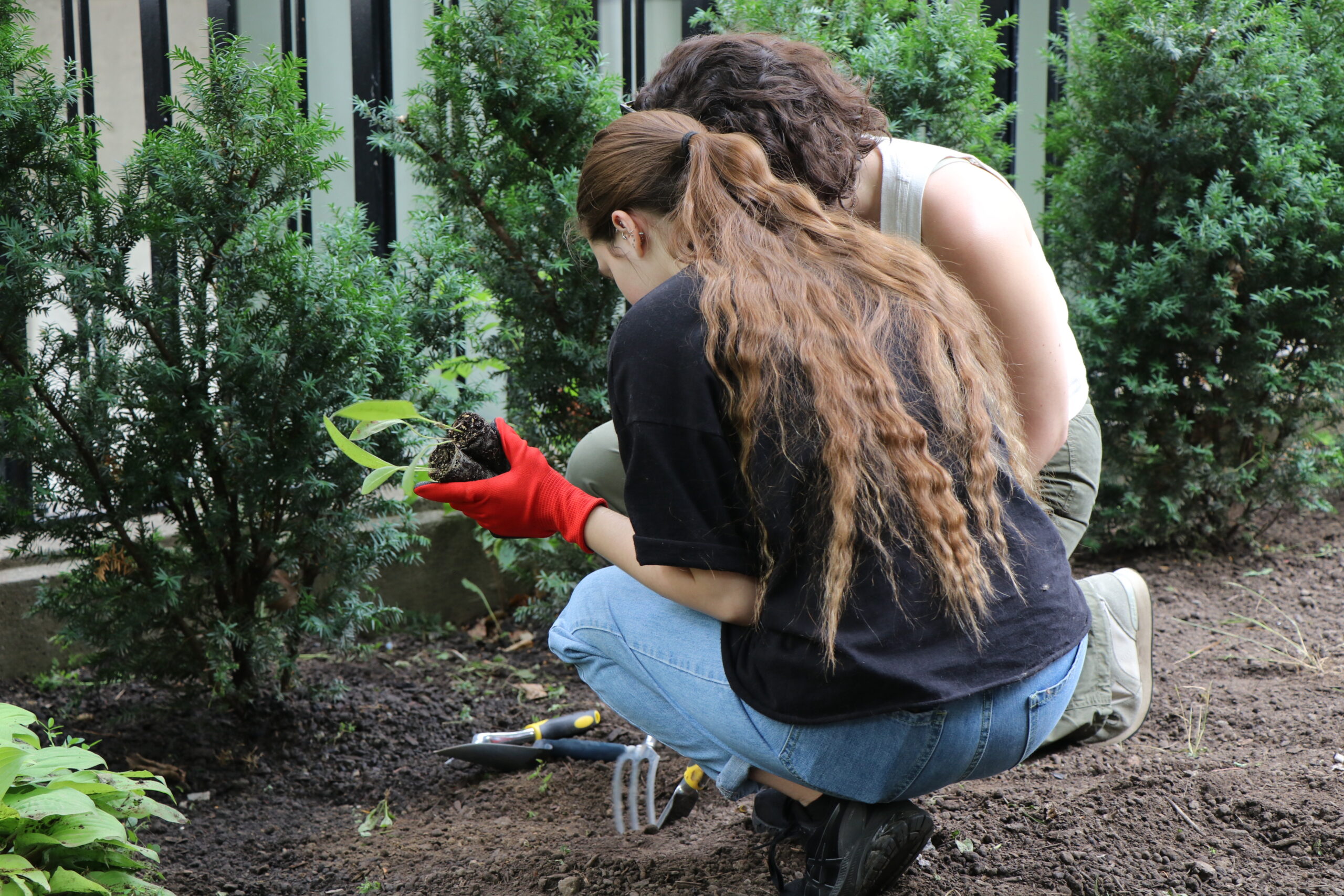
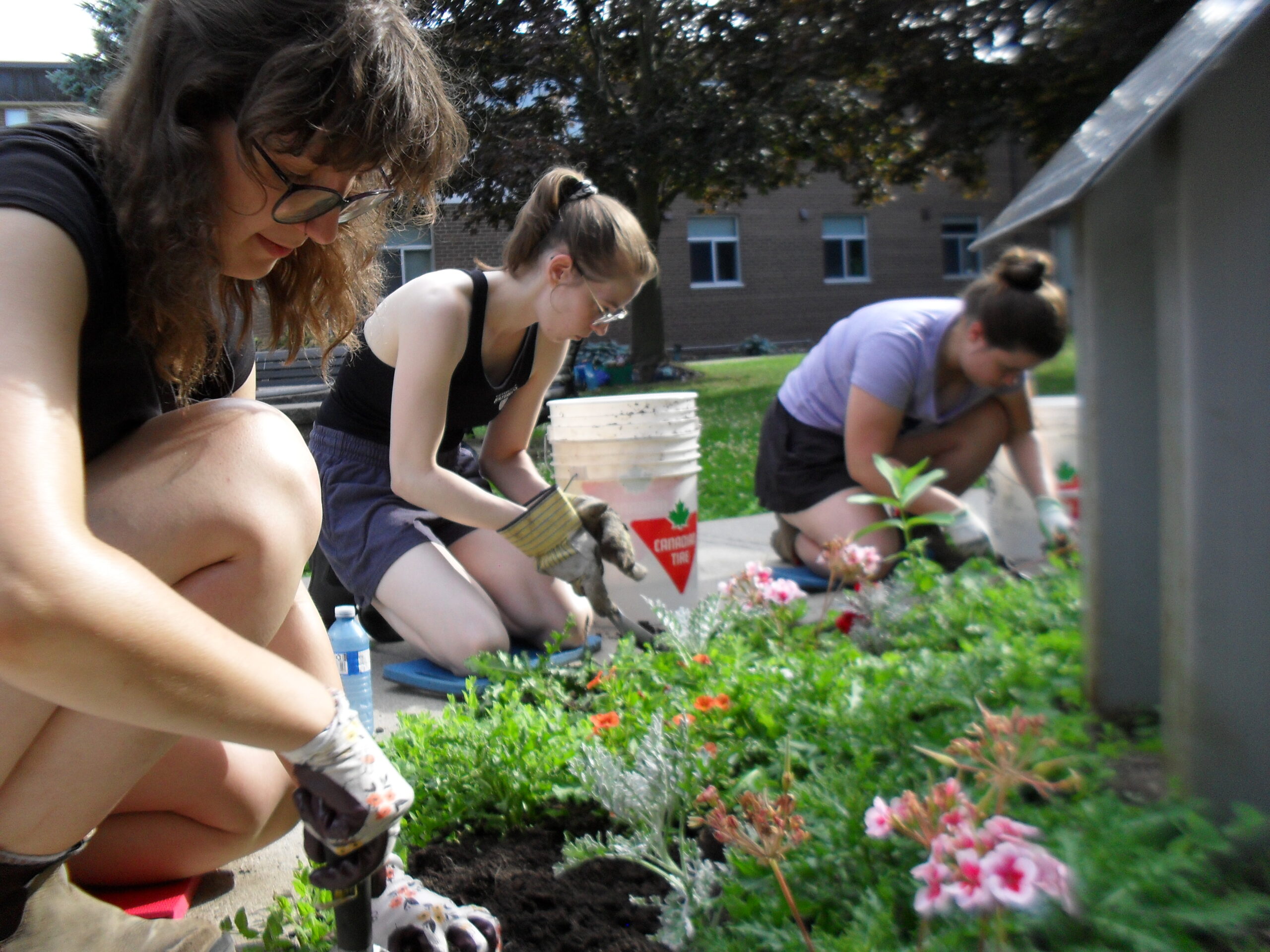
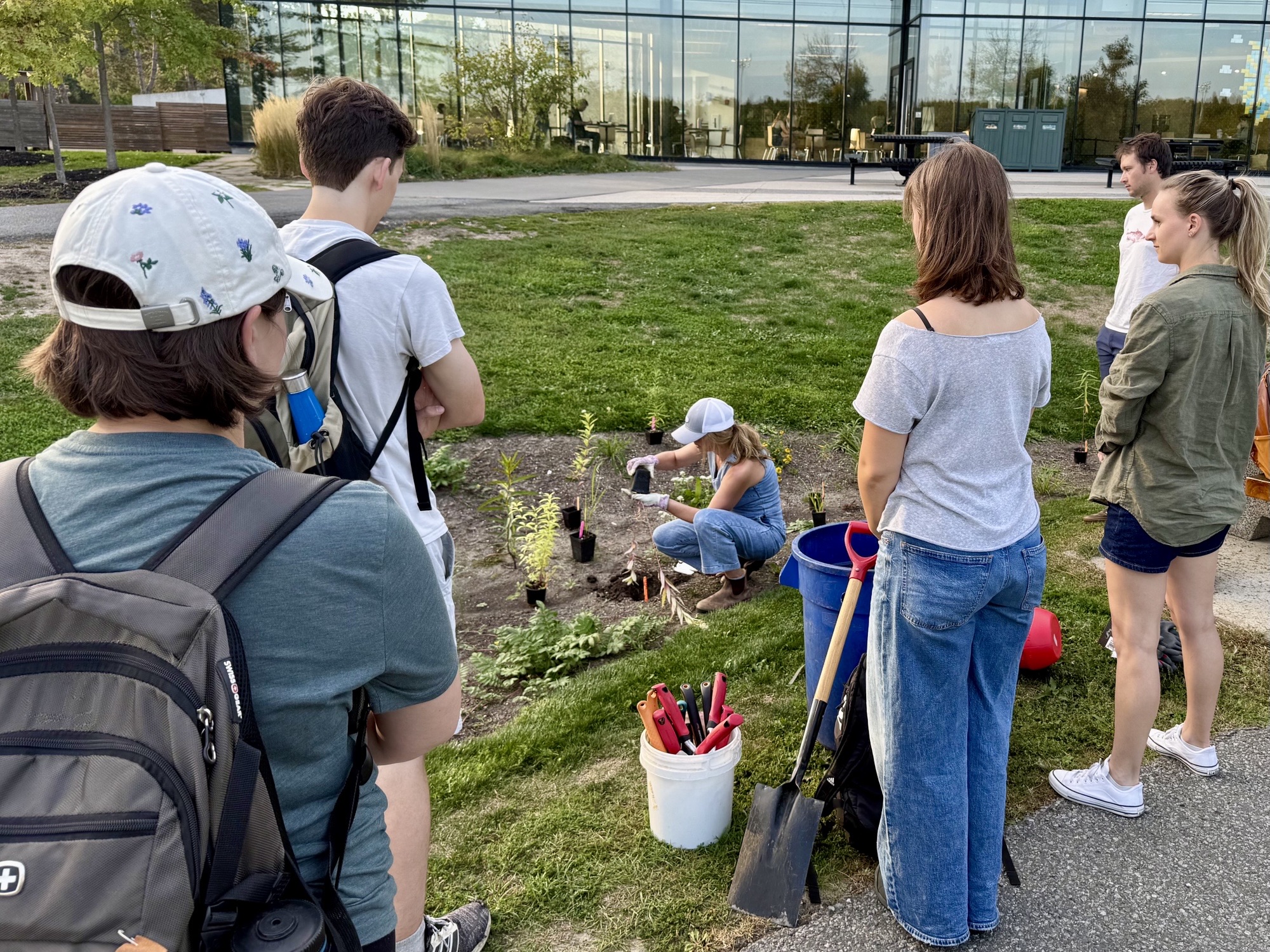
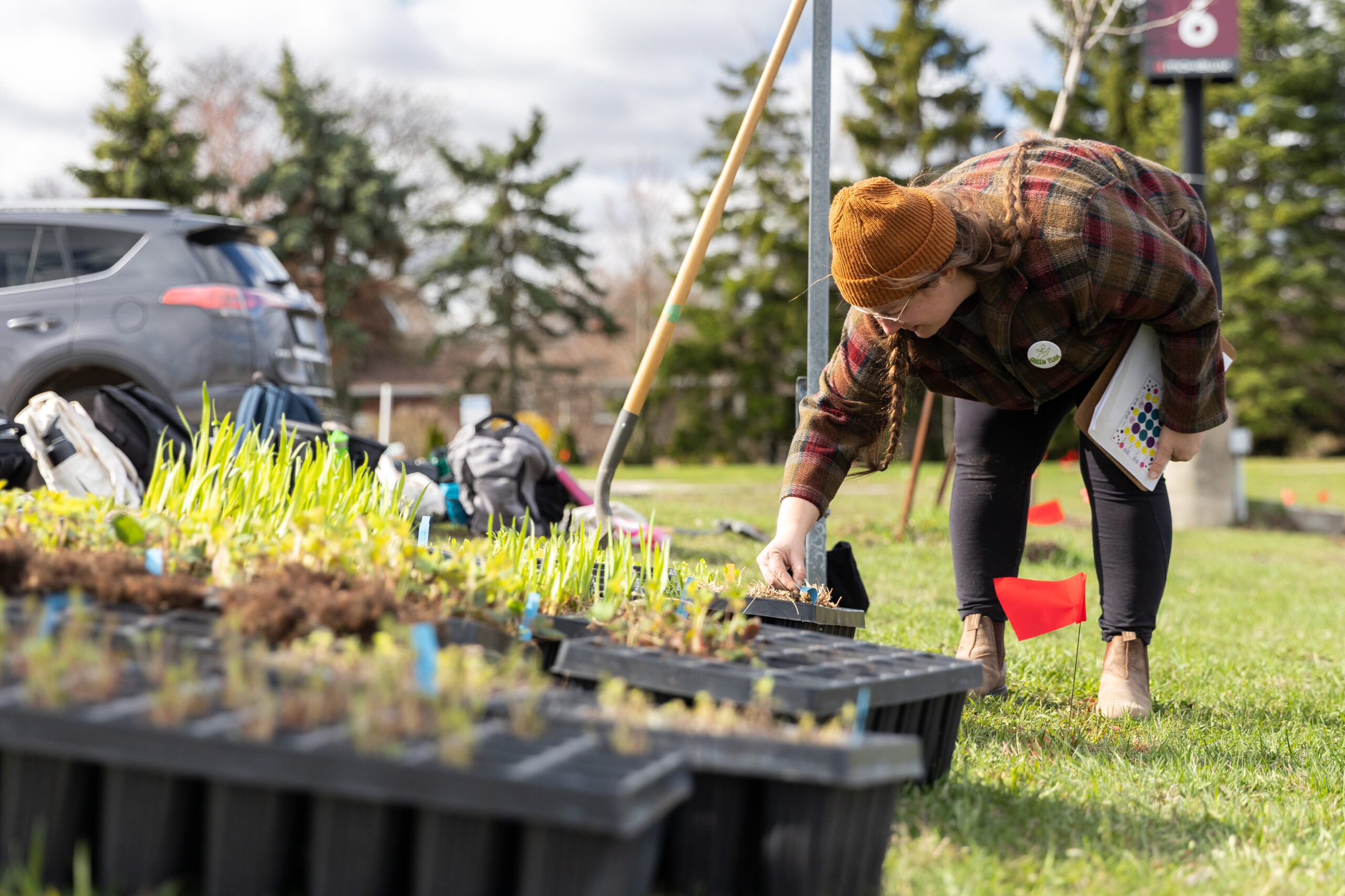
Previous grantees have created native pollinator gardens and seed orchards, restored creeks and forests, monitored local wildlife, conducted biodiversity inventories, raised awareness about conservation issues, and more!
We prioritize ideas that help your campus community:
- Learn about the local ecosystem including its history, its biodiversity and what it needs to thrive
- Take action for nature by creating, restoring or protecting habitat with native seeds, plants and trees
- Connect with your surrounding community to create lasting impact
Applications are accepted from current students, staff and faculty at Canadian post-secondary institutions.
Sign up for our Living Planet @ Campus newsletter for updates on how you can Go Wild with WWF-Canada.
Questions? Email [email protected].
KEY DATES
September 9, 2026
Application period opens
October 19, 2026
Application period closes
January 2027
Projects begin!
October 29, 2027
Projects completed
Meet our grantees (2025-2026)
Brock University
Brock University – St. Catharines, Ontario, Pollinator Planters: Building Connections Between Gardens and Grounds
Capilano University
Capilano University – North Vancouver, British Columbia, Communities of Co-Existence on Capilano University Campus: Bear-Responsive Knowledge Mobilization
Cégep de Saint-Laurent
Cégep de Saint-Laurent – Montréal, Québec, La biodiversité à St-Lô
Collège Ahuntsic
Collège Ahuntsic – Montréal, Québec, La nature à la rescousse de la santé – Un projet d’herboristerie éducative et communautaire
Collège Boréal
Collège Boréal – Sudbury, Ontario, Réhabilitation de la zone humide du campus de Sudbury
Concordia University
Concordia University – Montréal, Québec, Enhancing Campus Biodiversity through Native Plant Restoration
Dalhousie University
Dalhousie University – Halifax, Nova Scotia, Native Pollinator Habitat on an Old Dalplex Volleyball Court
Institut national de la recherche scientifique
Institut national de la recherche scientifique – Laval, Québec, Une microforêt nourricière pour le bien-être de la communauté et de la biodiversité
McMaster University
McMaster University – Hamilton, Ontario, Clay Prairie Seed Garden
Royal Roads University
Royal Roads University – Victoria, British Columbia, RRU’s Healthy Planet Program
Simon Fraser University
Simon Fraser University – Burnaby, British Columbia, SFU Archaeology Native Plant Garden: Growing Knowledge, Biodiversity, and Community
Southern Alberta Institute of Technology
Southern Alberta Institute of Technology – Calgary, Alberta, SAIT Healing Forest
University of Guelph
University of Guelph – Guelph, Ontario, Landscape Architecture Habitat Garden
University of New Brunswick
University of New Brunswick – Fredericton, New Brunswick, Reviving the Slope: A Pollinator Garden for Biodiversity and Education at UNB Fredericton
University of Victoria
University of Victoria – Victoria, British Columbia, Oak Meadow Restoration and Outreach
University of Windsor
University of Windsor – Windsor, Ontario, Windsor Wildscape Initiative
York University
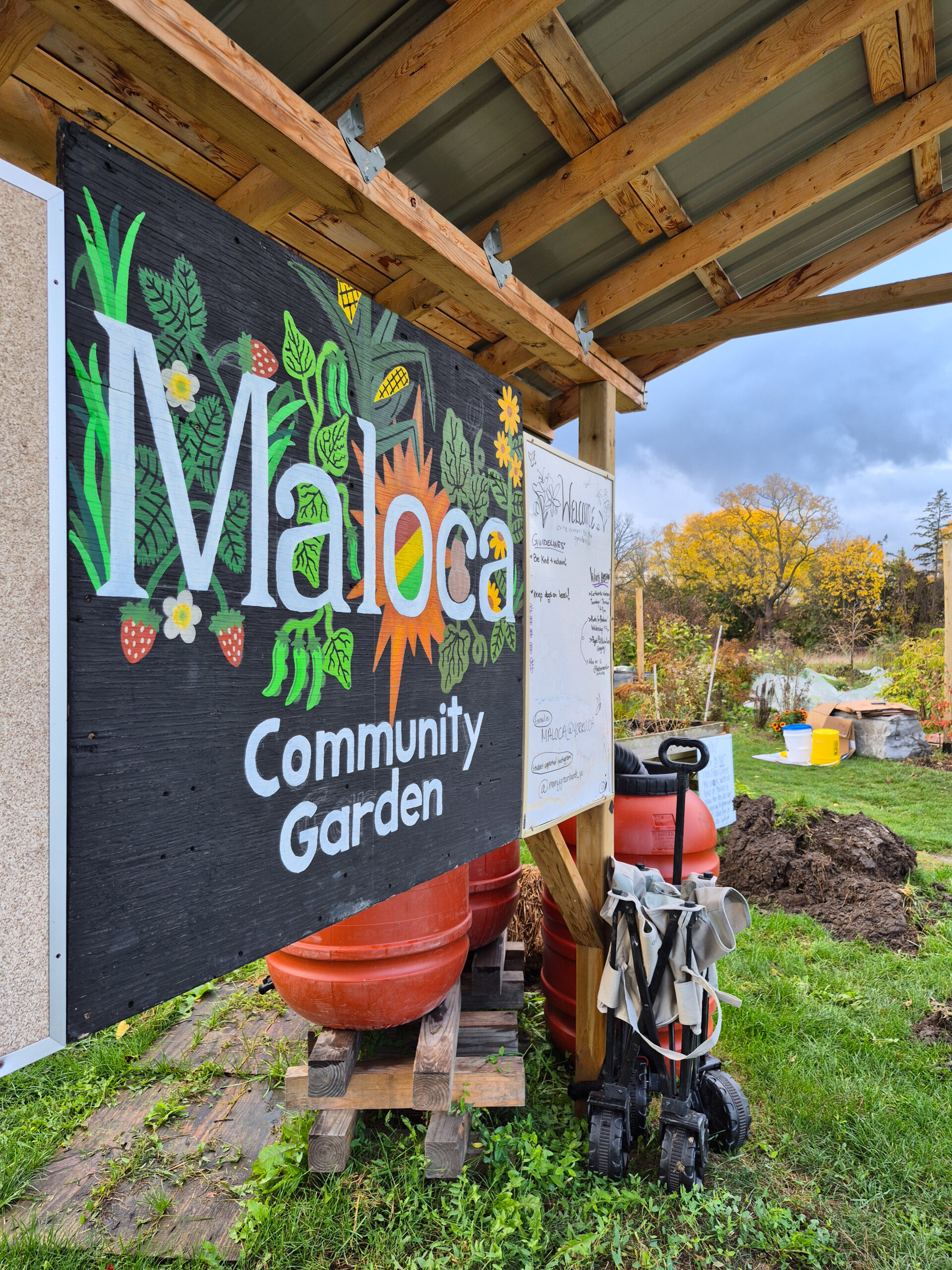
York University – Toronto, Ontario, Edible Fences: A garden to honour Sheila Colla – Boosting Native Plant Diversity to Feed Humans and Pollinators at the Maloca Gardens at York University
Why get involved?
You can make a positive impact for the environment and your community while building skill sets and experiences for your resume with Go Wild Grants.
Leadership and teamwork
Canadians are looking for opportunities to take action and to make an impact. Go Wild grantees can help provide opportunities for others to participate in their projects or events. While helping to educate others, you will also develop leadership and team management skills.
Build your resume
Gain experiences for your resume including project management, grant writing, creating proposals and budgets. You will become more skilled at strategic and critical thinking, time management, problem-solving, leadership and teamwork.
Local and national recognition
Go Wild Grant recipients and their projects will be recognized on WWF-Canada’s national website which can be linked to your online resume and LinkedIn profile.
Contribute to environmental and social responsibility
Your project will help nature thrive and create a sense of community. Creating volunteer opportunities with your project could help fellow students develop professional skills or find relief from the stresses and pressures of school, contributing to improved mental health.
Living Planet Leader
Helping to lead a Go Wild project demonstrates leadership and teamwork. If your grant application was an exercise tied to one of your courses, or it is an idea tied to introducing a new concept to your academic program, don’t forget to track your activity in the Application of Sustainability in Academics.
BRING YOUR PROJECT TO LIFE
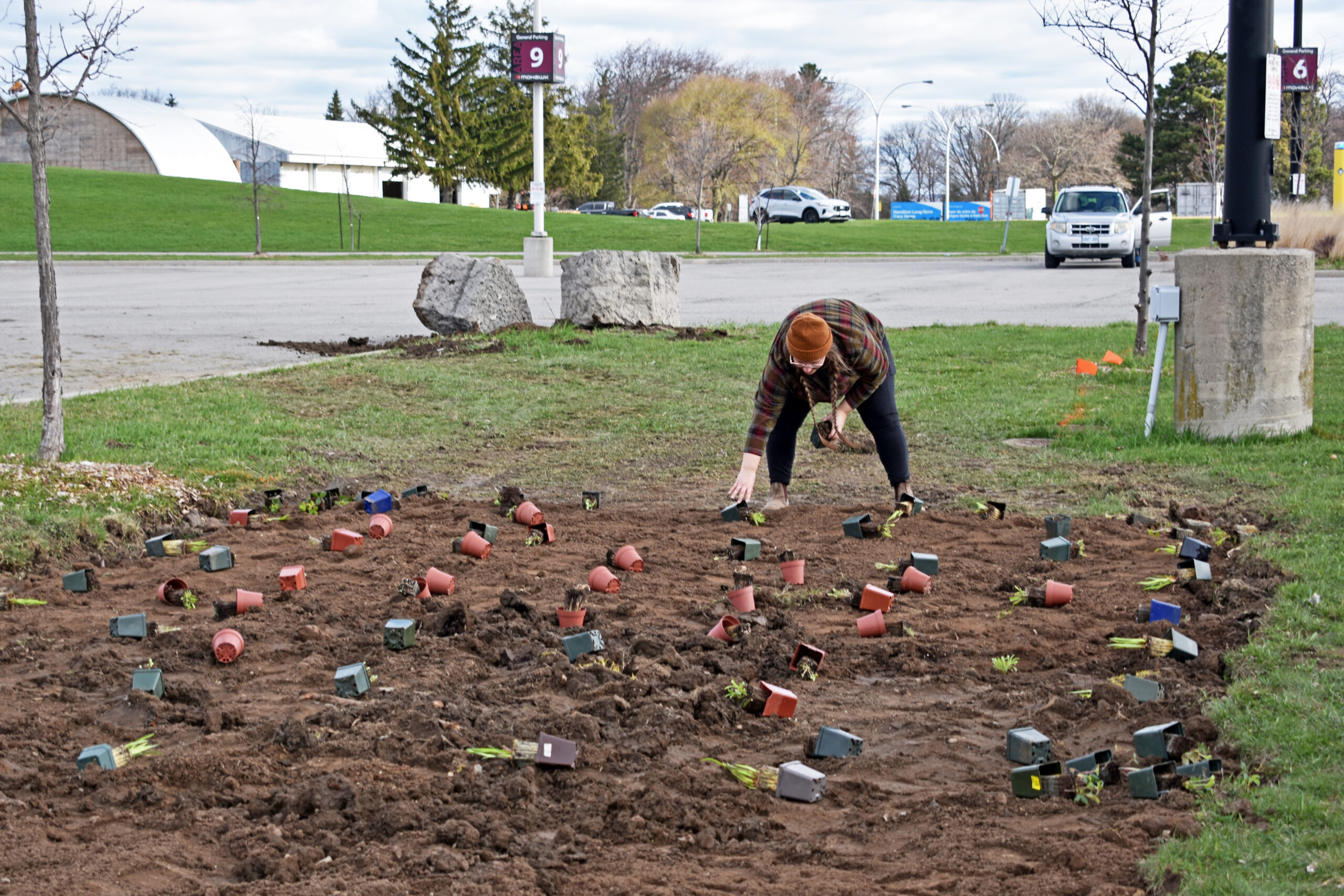
On Campus
Your project can create new initiatives or expand existing ones in any corner of your campus anywhere on campus.
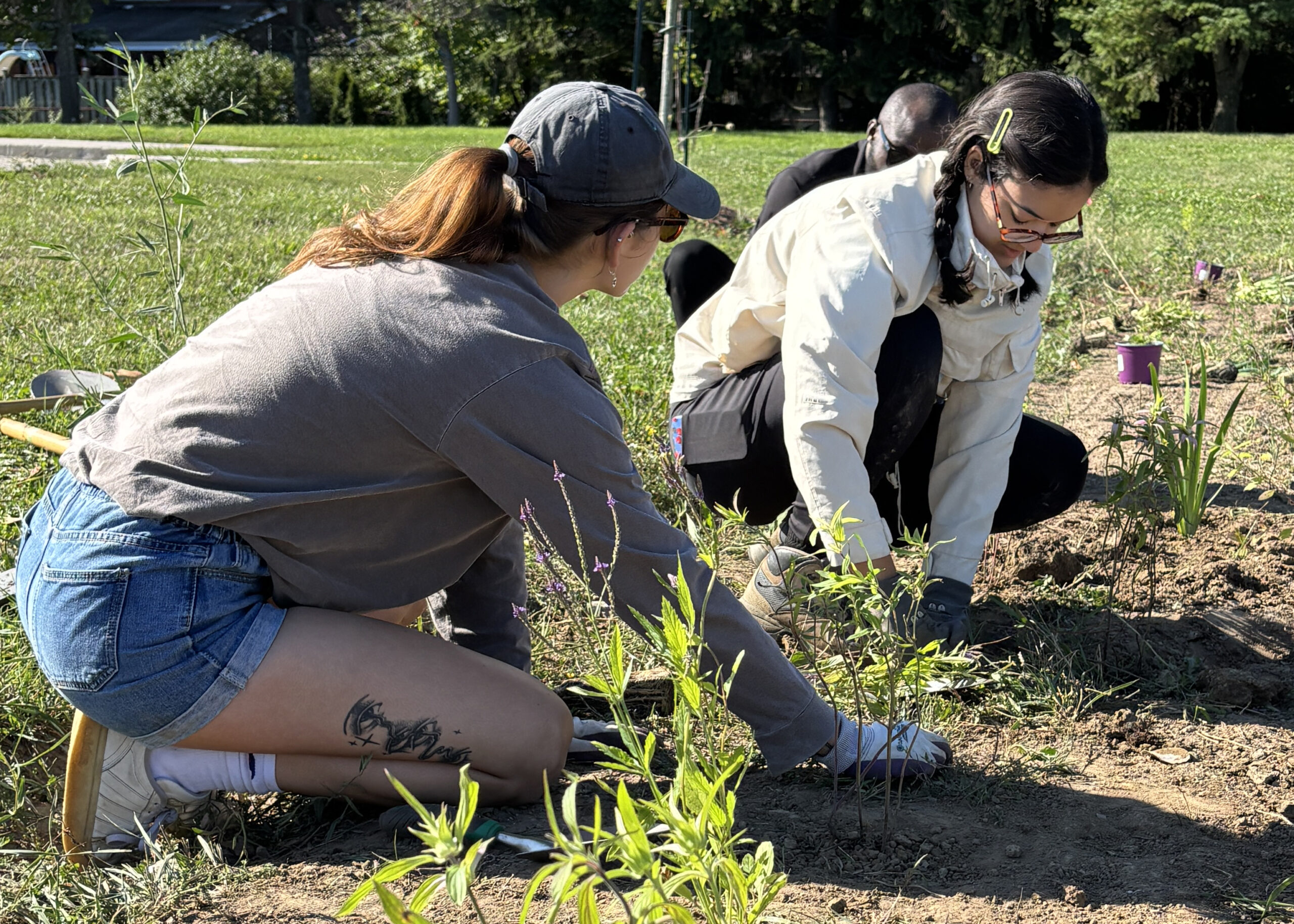
With Your Club or Student Association
Your executive team and members can create a lasting legacy with a Go Wild project. Lead and mobilize your student body with unique opportunities to participate in your initiative and be recognized on WWF-Canada’s website.
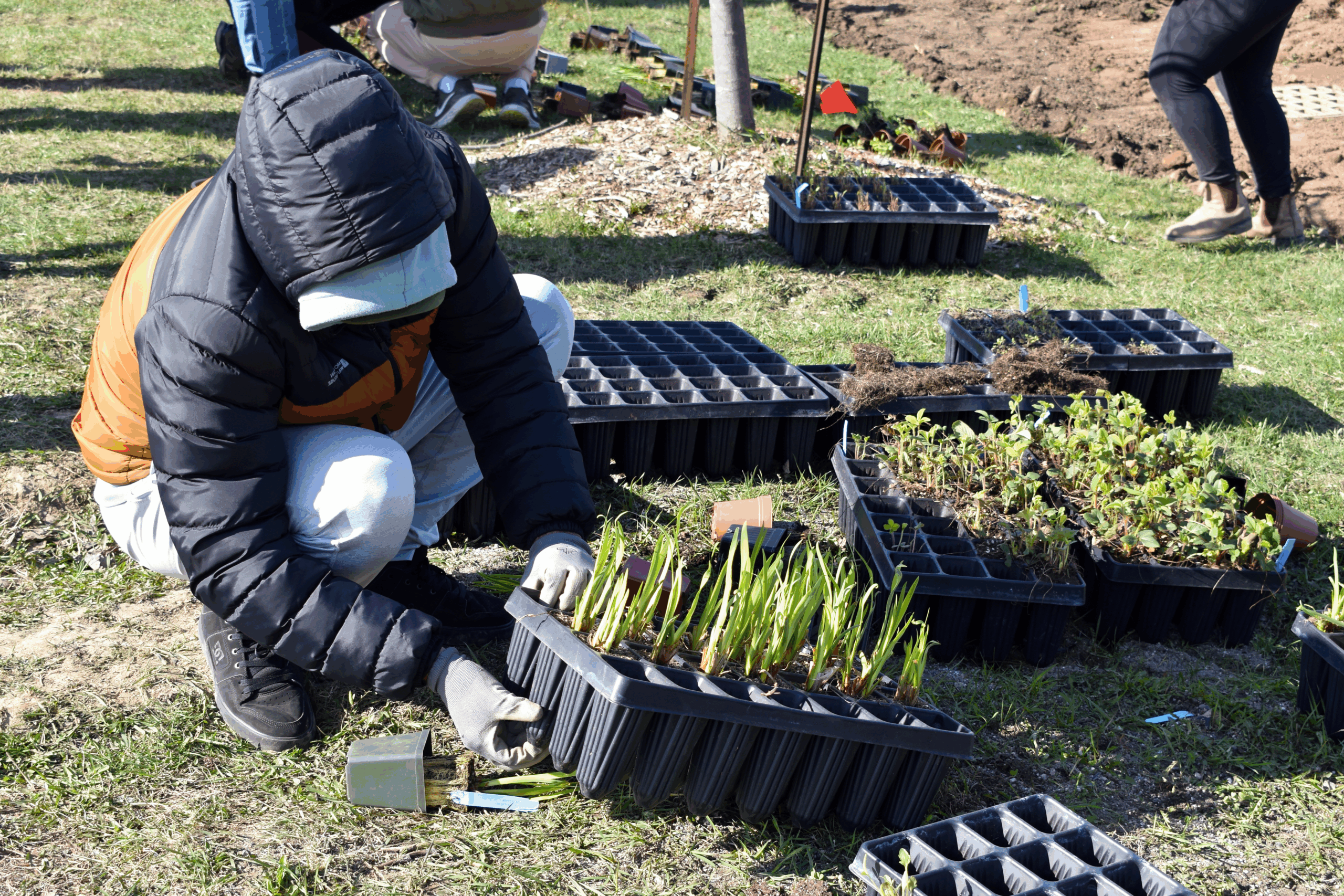
In Residence
Bring your floor or the entire residence together with Go Wild. Create habitat for wildlife and host an event for your floor mates to get involved.
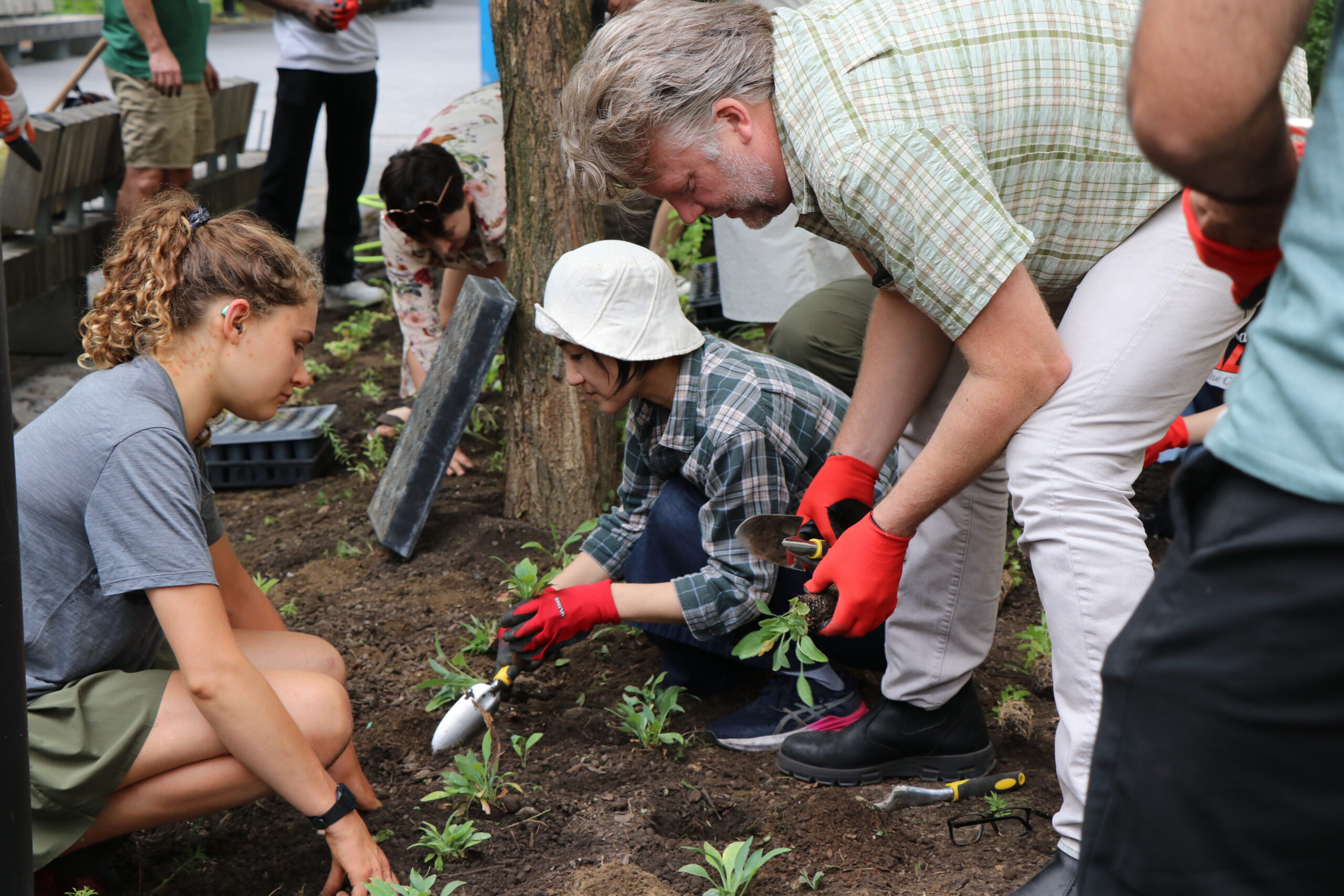
In the Classroom
Projects related to course requirements for your classroom, program, department, the campus or the community can receive Go Wild funding. To enhance your restoration project ideal and educate others, consider including an element of research, case studies, events, speaker series, symposiums, conferences or case competitions – the sky is the limit.
In Your Community
Go Wild supports ideas that build habitat or connect with local elementary or secondary schools, libraries, parks and ecosystems, not-for-profits and community groups. Projects with activities for community members on campus are welcome.